In the metal smelting industry, the ability to generate high heat is crucial, and charcoal has been a favored fuel for centuries because of its capacity to reach elevated temperatures efficiently. This article explores the relevance of charcoal in modern metal smelting.
What Makes Charcoal Special for Metal Smelting?
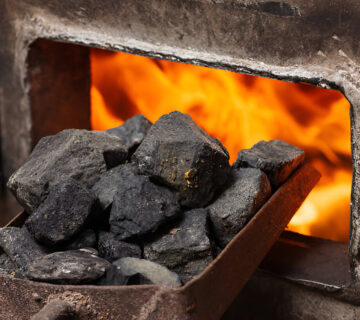
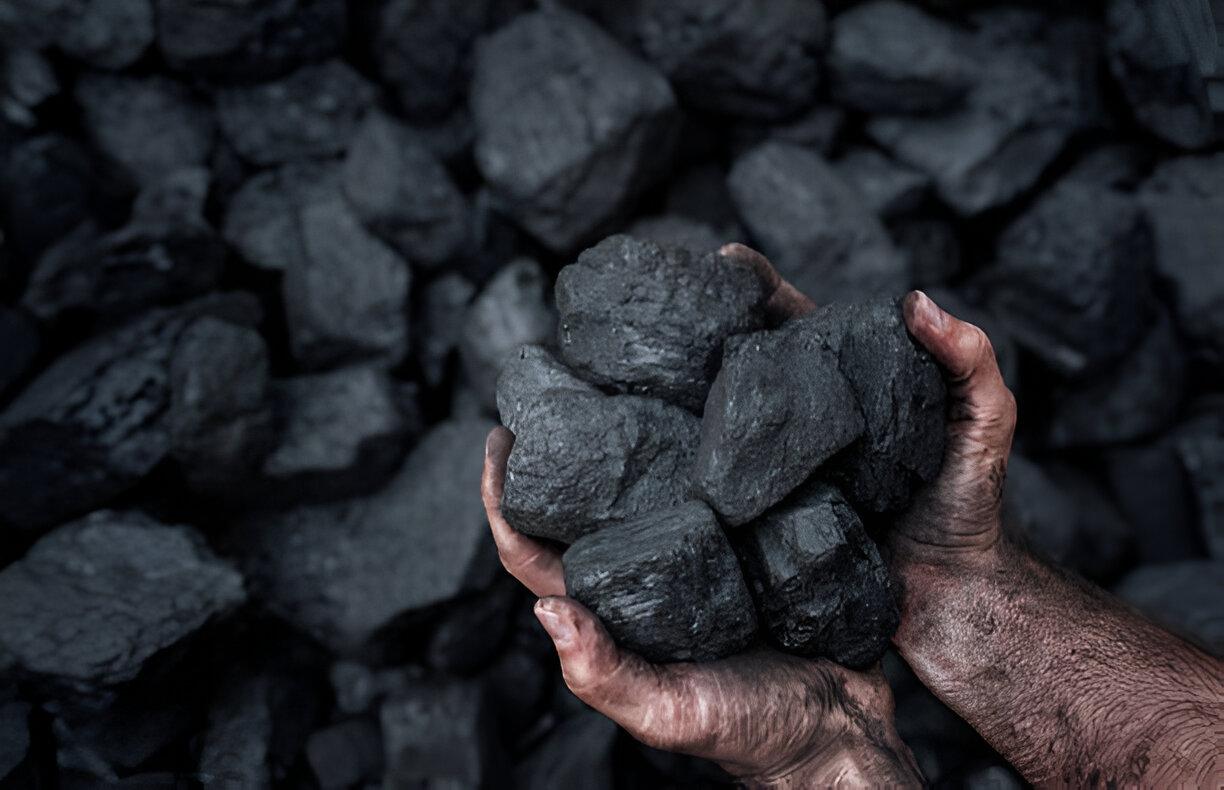
Charcoal is a carbon-rich material that burns at higher temperatures compared to firewood and many other natural fuels. This makes it ideal for melting metals such as iron, copper, and steel.
Industries Dependent on Charcoal for Metal Smelting
Several metal smelting operations, particularly in emerging economies or artisanal smelting setups, still rely on charcoal for its affordability and effectiveness. Moreover, many specialty metal industries continue to use charcoal due to its ability to produce high-quality, uniform metal finishes.
Challenges and Sustainability Issues
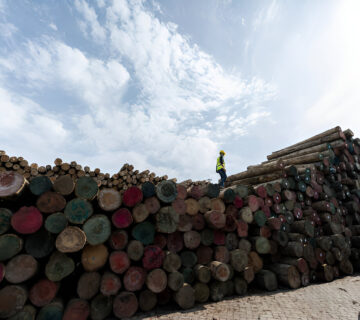
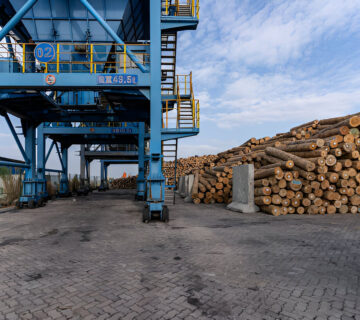
The metal smelting industry requires substantial amounts of charcoal, which can strain natural resources if not managed properly. There is growing interest in exploring eco-friendly alternatives or sustainable charcoal production to ensure the industry’s viability.
Conclusion
As industries evolve, charcoal remains a cornerstone in the smelting of metals, making it a crucial energy source, especially in regions lacking access to modern fuels.