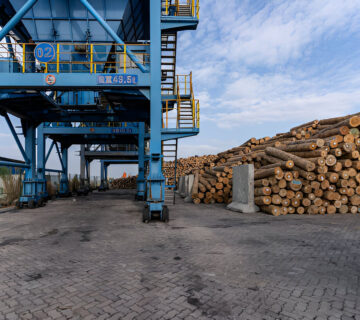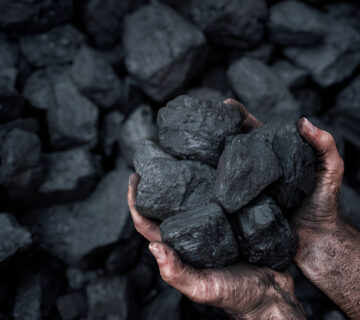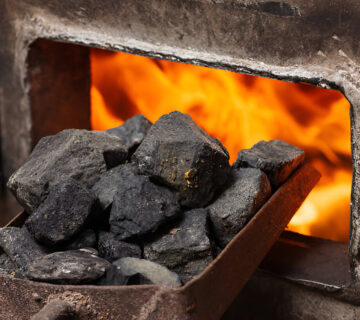
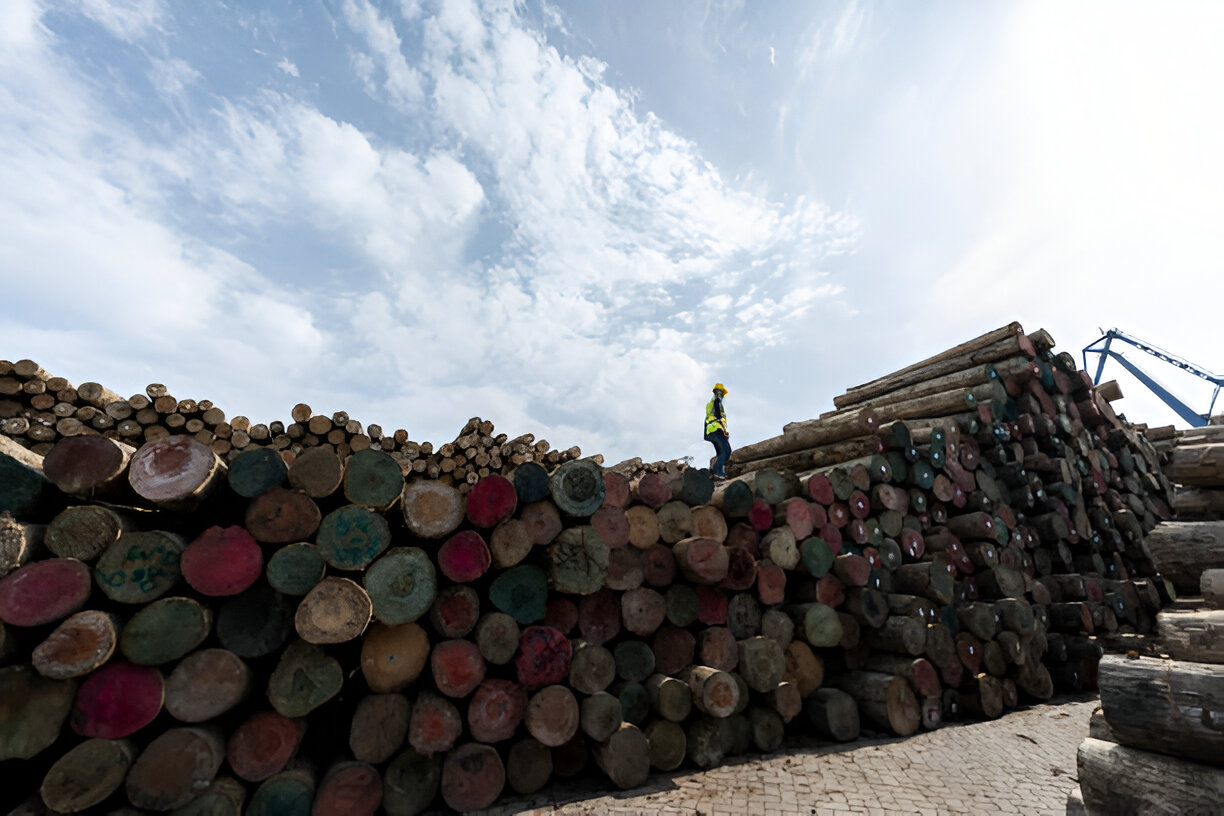
In today’s energy landscape, charcoal and firewood still play pivotal roles, particularly in industries and regions where electricity and gas are either inaccessible or unreliable. This article provides a modern overview of how these traditional fuels fit into the global energy market.
The Global Demand for Charcoal and Firewood
Global demand for both charcoal and firewood is rising due to population growth and energy demands in developing countries. While modern fuels dominate the global market, charcoal and firewood remain vital energy sources for heat, cooking, and certain industries.
Their Place in Industrial Processes
In industries that require both controlled and intense heat, such as metal forging, brick-making, and even brewing, charcoal and firewood are still in use due to their accessibility and cost-effectiveness.
Environmental and Economic Impact
- Environmental Concerns: Deforestation and carbon emissions from charcoal production are significant concerns. Sustainable practices and alternatives such as biomass briquettes are being explored to address these issues.
- Economic Considerations: Many small-scale industries depend on the cost-efficiency of charcoal and firewood, making these fuels critical to the livelihoods of millions.
The Future of Charcoal and Firewood
As the world shifts towards renewable energy, there is room for innovation in making charcoal and firewood more eco-friendly through improved harvesting methods, efficiency technologies, and policies promoting sustainable production.
Conclusion
Charcoal and firewood continue to serve as key energy sources in various industrial and domestic sectors, especially in regions where modern energy alternatives are scarce.