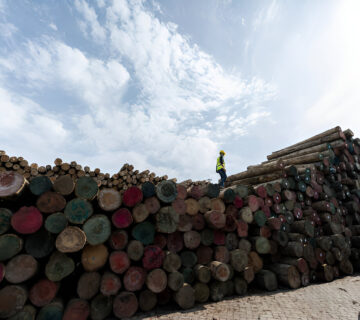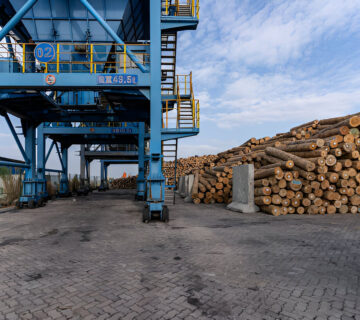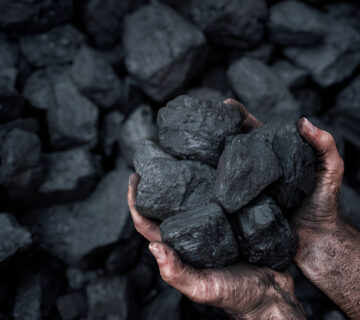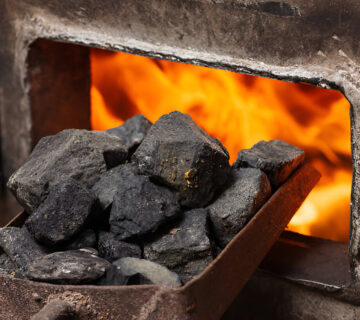

Sustainability in charcoal and firewood trading is becoming increasingly important as industries recognize the environmental impact of deforestation and inefficient fuel use. This article discusses the role of sustainability in charcoal and firewood production and trading.
The Environmental Impact of Charcoal and Firewood
Charcoal production often involves cutting down forests, leading to deforestation and habitat loss. Additionally, inefficient firewood usage can contribute to air pollution. Sustainable sourcing and modern technologies can mitigate these issues.
Sustainable Charcoal and Firewood Production
To address environmental concerns, industries are adopting methods like agroforestry, where charcoal is produced alongside sustainable agricultural practices. In firewood production, reforestation and selective harvesting practices are gaining traction.
The Role of Certification in Charcoal and Firewood Trading
International certifications such as the Forest Stewardship Council (FSC) are becoming essential for ensuring that the trade of charcoal and firewood adheres to environmental standards. This provides a market incentive for traders to adopt sustainable practices.
How Industries Can Support Sustainability
Industries relying on these fuels can contribute to sustainability by:
- Investing in energy-efficient technology to reduce fuel consumption.
- Supporting reforestation programs that replenish the natural resources they depend on.
- Exploring alternative biomass options to reduce reliance on traditional fuels.
Conclusion
As global attention shifts towards sustainability, the charcoal and firewood industries must adapt by adopting greener practices. The future lies in balancing energy needs with environmental protection, ensuring a stable supply for industries while preserving natural ecosystems.